

Polyester (PET) is one of the most widely used materials in the textile industry because it provides strength, durability and reliable performance. However, producing high-performance textile yarns from recycled PET (rPET) remains challenging. Recycled PET can come from different sources and may have already gone through several processing steps during its previous life. As a result, its properties can vary and may no longer be suitable for demanding textile applications.
The Belgian Demonstrator of the DigInTraCE project addresses this challenge by exploring how PET waste streams can be upgraded, transformed into new rPET yarns and ultimately brought back into textile production. Led by Centexbel, in close collaboration with SIOEN, the Belgian demonstrator aims to support fiber-to-fiber recycling and increase the use of recycled PET in demanding textile applications.
Closing the Loop: From PET Waste to Textile
The demonstrator follows different steps to give PET waste a new life: selecting and characterizing suitable PET waste streams, shredding and pelletizing the material, improving its properties, spinning it into yarn and finally weaving the yarn into a textile.
Different types of PET were investigated, ranging from post-industrial recycled PET to post-consumer recycled PET originating mainly from beverage bottles. Virgin PET materials were also processed as references, allowing the behaviour of recycled materials to be compared with conventional PET.
At Centexbel, PET waste was first shredded into smaller pieces and subsequently converted into pellets. This creates a more uniform material that can be processed further and eventually fed into melt-spinning equipment to produce new filaments. One of the main lessons of the demonstrator is that not all recycled PET behaves in the same way. Its previous processing history, degradation and possible contamination can influence its processability and the strength of the resulting yarn.
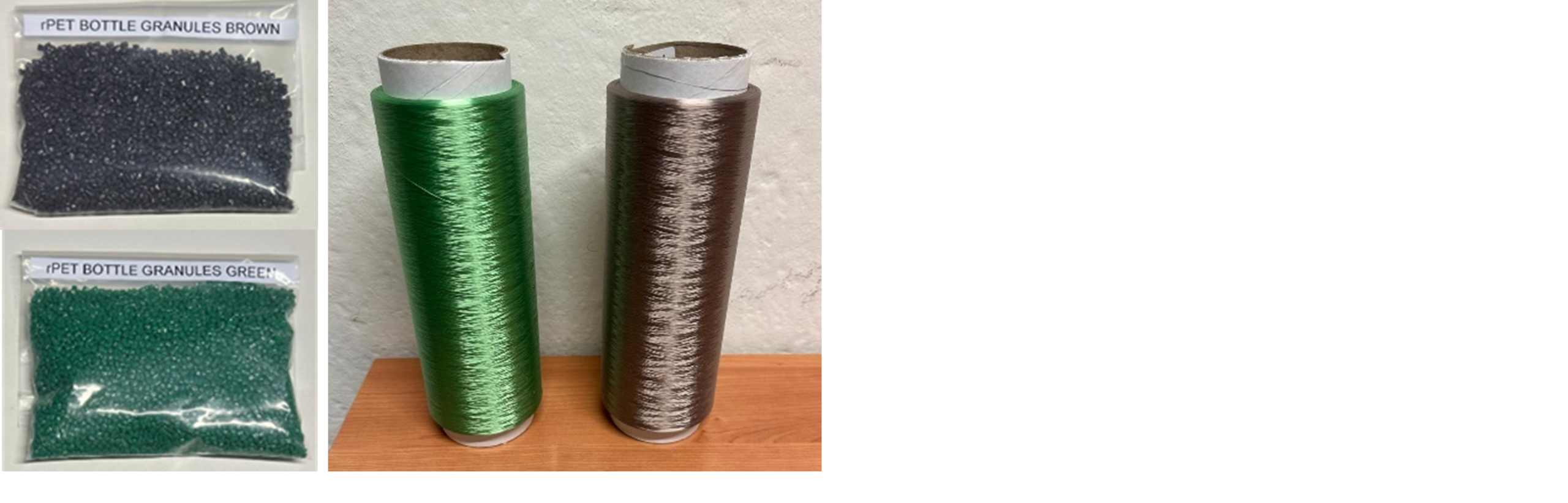
Figure 1: Starting material (the pellets), and products, the multifilaments produced during melt extrusion
Improving rPET for High-Performance Yarns
For high-tenacity yarns, the PET needs to have the right material properties before spinning. Recycling can reduce these properties, making it more difficult to achieve the strength required for demanding applications.
The Belgian Demonstrator therefore investigates different ways of upgrading recycled PET. One approach is solid-state polymerization (SSP), a process already used industrially by SIOEN to increase the molecular weight of PET without fully melting the material. Centexbel also investigated SSP at laboratory scale and chain extenders, additives that can reconnect polymer chains during processing.
After upgrading, the rPET pellets were processed at Centexbel through melt extrusion. The polymer is melted, pushed through very small holes to create continuous filaments and stretched to develop the strength needed for textile use. Multifilament yarns were produced from post-consumer recycled PET during the development work.
The trials revealed an important result: increasing the molecular weight of recycled PET to a level similar to virgin PET does not automatically result in identical yarn performance. The recycled materials generally produced somewhat lower-strength yarns, particularly in the more demanding high-speed multifilament process. Small contaminations and differences in the molecular structure of rPET can have an impact when producing many very fine filaments at high speed.
Achieving high-quality rPET yarn requires more than adjusting a single material property. The waste-stream quality, material upgrading methods and processing conditions all play an important role.
From Yarn to an Industrial Textile
The next step was to move beyond yarn production and test the material in an actual textile-manufacturing environment.
The first rPET multifilament yarns produced at Centexbel were transferred to SIOEN and tested in weaving. The recycled yarn was introduced in the weft direction, while SIOEN’s standard high-tenacity, low-shrinkage PET yarn was used in the warp.
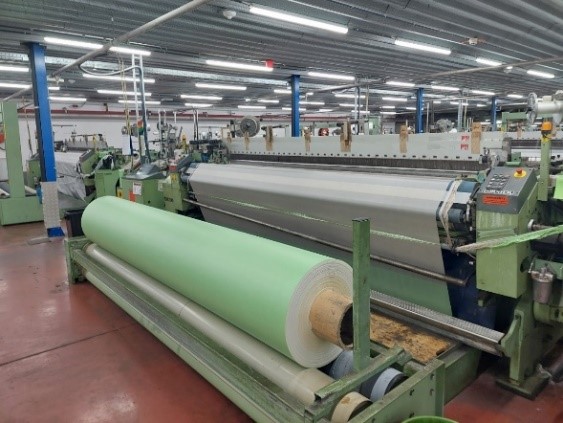
Figure 2: The produced woven fabric at SIOEN
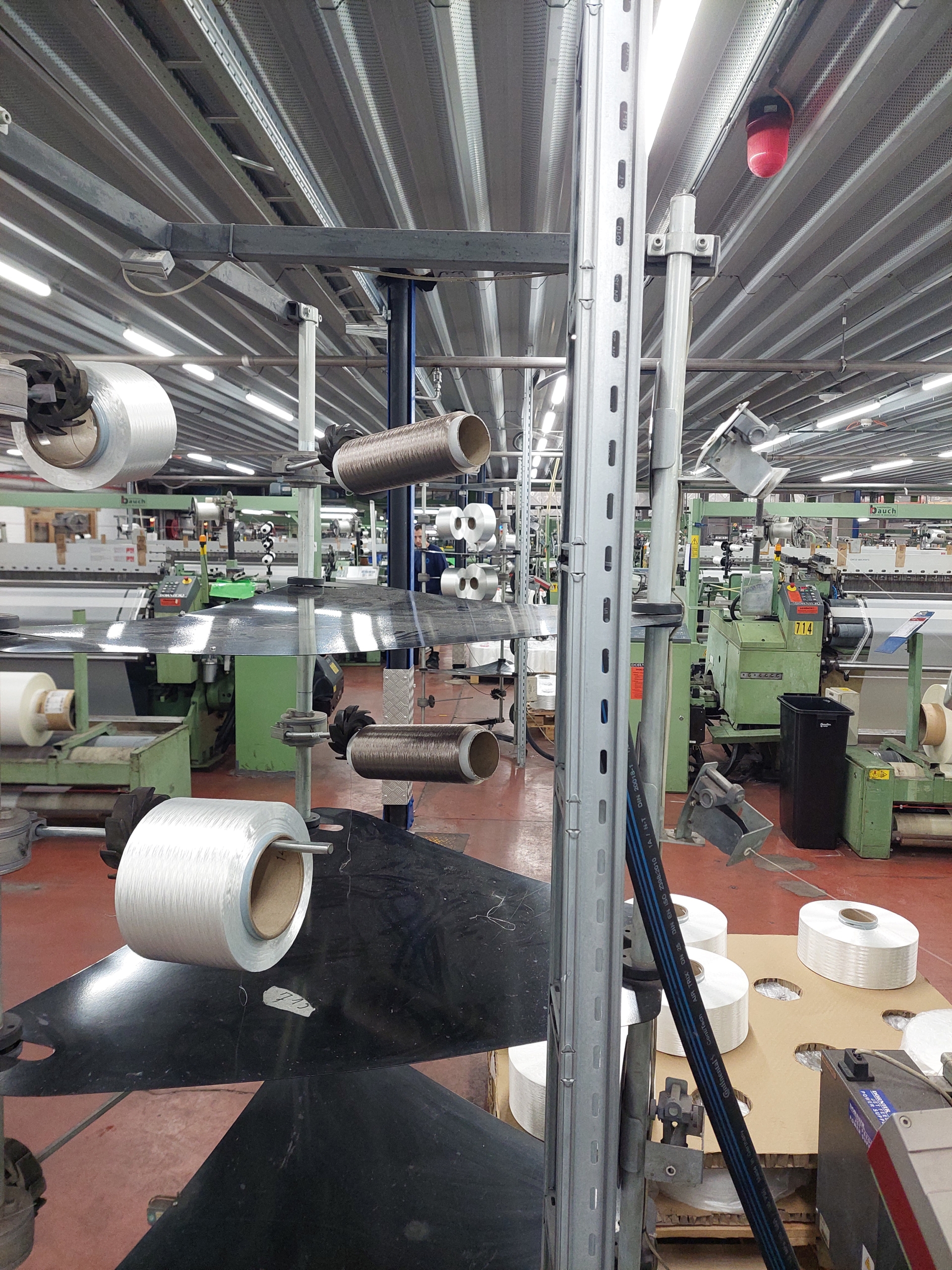
Figure 3 Belgian Demonstrator - Weaving set-up
The material was successfully processed on an industrial air-jet weaving loom to produce a woven textile, connecting the recycling and yarn developed at Centexbel with an industrial textile-production process at SIOEN.
This woven fabric represents an important visible outcome of the Belgian Demonstrator: recycled PET has travelled through the value chain from waste through preparation and yarn production, and back into a textile structure.
Giving rPET a Higher-Value Second Life
The Belgian Demonstrator shows that moving towards more circular polyester textiles involves more than simply replacing virgin PET with recycled material. The recycled feedstock needs to be understood, and where necessary upgraded before it can meet the requirements of demanding textile processes.
By combining material characterization, polymer upgrading, melt spinning and industrial textile production, the Belgian demonstrator provides a practical pathway for transforming recycled PET into higher-value textile applications.