

Building a circular value chain for sustainable wood products
How can agricultural and wood-industry by-products be transformed into new, high-value materials instead of becoming waste?
The Greek Demonstrator of the European project DigInTraCE is exploring this question by developing and validating an integrated, digitally enhanced bio-based value chain. The demonstrator brings together secondary raw materials from agriculture and the wood industry and transforms them into advanced wood-based products for furniture applications.
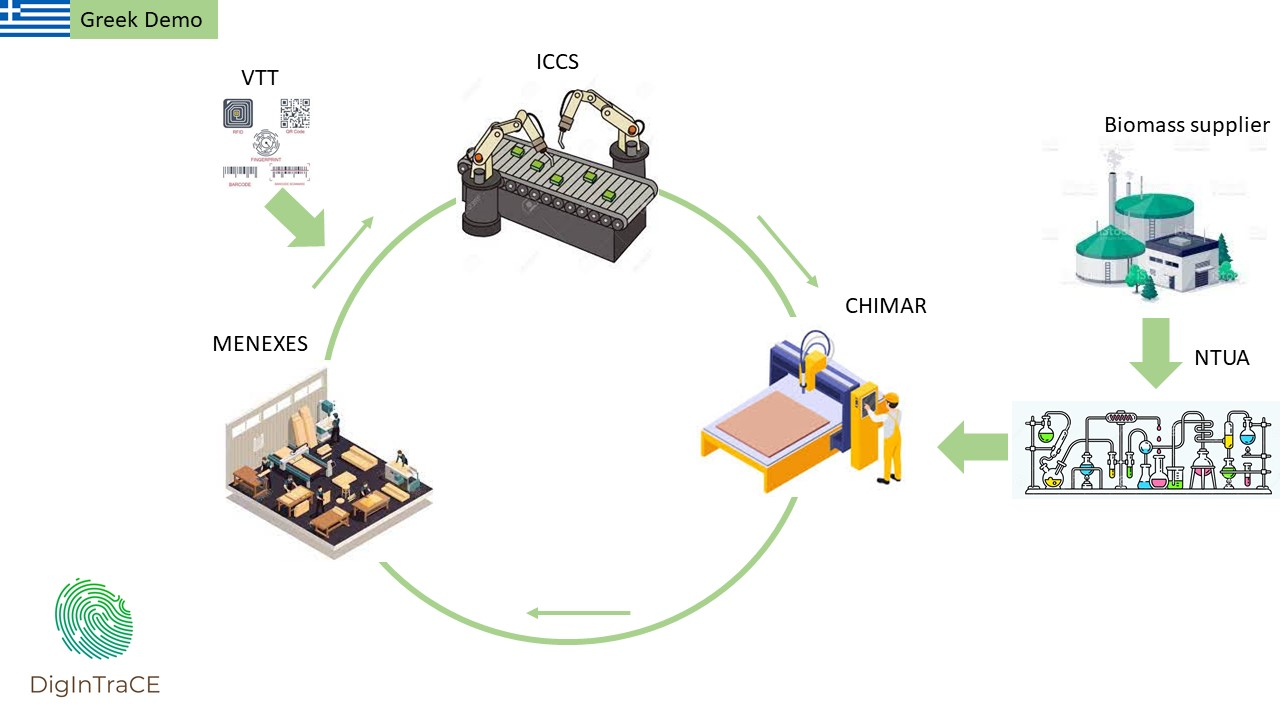
Figure 1 Schematic of the Greek Demo
At the heart of the demonstration are two complementary approaches. The first focuses on recovering proteins from oilseed by-products and using them as a renewable building block to partially replace fossil-based phenol in adhesives for plywood production. The second focuses on recovering and sorting secondary wood residues and incorporating them into particleboards, partially substituting fresh wood chips.
The result is a circular approach that connects agricultural by-products, wood residues, bio-based chemistry, advanced sorting, smart sensing and furniture manufacturing.
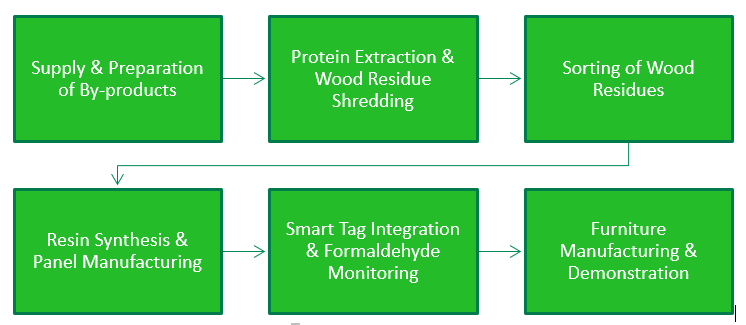
Figure 2: Process steps of the Greek Demo
From sunflower press cake to bio-based adhesives
One of the key innovations of the Greek Demonstrator is the recovery of valuable proteins from agricultural by-products.
Sunflower press cake, generated after oil extraction, was identified as a particularly suitable source for protein recovery. NTUA developed and optimised an extraction process to obtain a protein-rich fraction that can subsequently be used in the formulation of bio-based adhesives.
Three protein recovery technologies, including conventional extraction (CE), microwave-assisted extraction (MAE), and ultrasound-assisted extraction (UAE), were successfully scaled up and advanced from TRL 4 to TRL 5. Importantly, high protein recovery was maintained at larger scale, ranging from 51.9% to 69.2%, surpassing the project target of 40%.
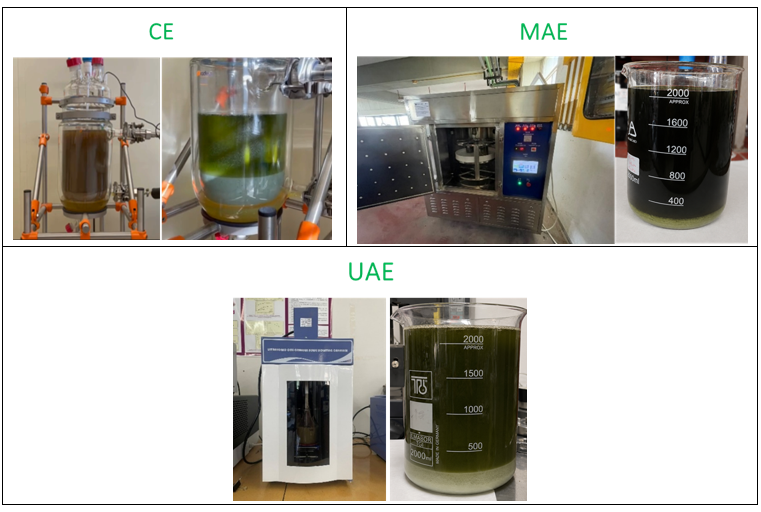
Figure 3 Scale-up of sunflower protein recovery technologies from TRL 4 to TRL 5: conventional extraction (CE), microwave-assisted extraction (MAE), and ultrasound-assisted extraction (UAE)
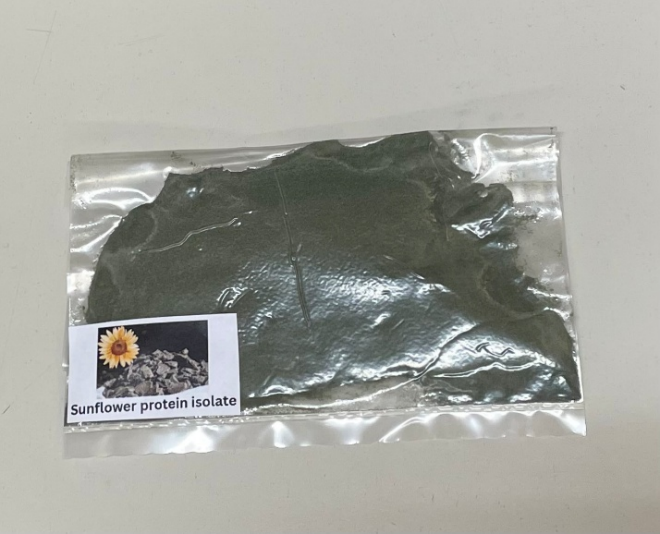
Figure 4 Sunflower protein isolate
This recovered protein is then used by CHIMAR to partially substitute phenol in phenol-formaldehyde resins used for plywood manufacturing. Different protein fractions from rapeseed, cottonseed and sunflower press cakes were tested as phenol substitutes in resin synthesis. The best-performing protein was derived from sunflower, achieving 55% phenol substitution and surpassing the project target of 40%, while the produced plywood panels fulfilled the prevailing European standards.
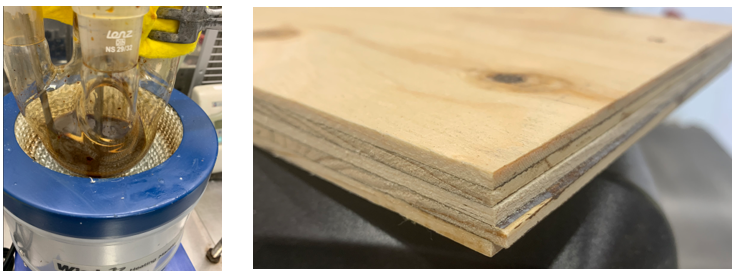
Figure 5 Bio-based resin with sunflower protein & the produced plywood panel
A further environmental benefit comes from the potential reduction in greenhouse gas emissions. The bio-based resin has demonstrated a reduction of up to 25% in GHG emissions per kilogram of resin, while plywood produced with the bio-based resin has shown a reduction of up to 13% per kilogram of plywood panel, compared with the corresponding reference products.
Giving wood residues a second life
The second major route of the Greek Demonstrator focuses on secondary wood raw materials.
Wood residues supplied by MXS are shredded by CHIMAR into wood chips and subsequently processed through the sorting system developed by ICCS.
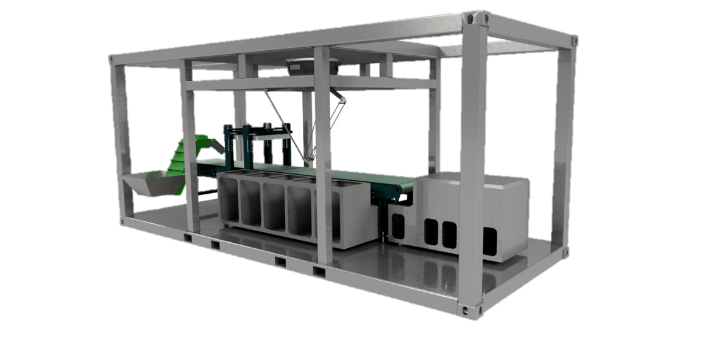
Figure 6 ICCS’s sorting system
The sorting process combines sensing technologies and automated separation. First, the chips pass through RGB and hyperspectral imaging (HSI) systems, which identify and classify the material according to size and impurities. An air-nozzle system then separates the chips into pure wood fractions and material containing impurities.
The pure wood chips are subsequently separated by size into two fractions:
1.5–4 mm
4–10 mm
The sorted material is returned to CHIMAR and used for the production of particleboards.
This approach aims to optimise the existing processes of the wood value chain by improving the quality and consistency of secondary raw materials before they are incorporated into new products.
The results already demonstrate significant progress in resource recovery. The demonstrator has achieved an 82% reduction in waste, decreasing the waste generated per piece of furniture from 5.1 kg to 0.9 kg.
At the same time, the particleboard route has demonstrated a GHG reduction of up to 2% per kilogram of particleboard when 20% recycled wood chips are incorporated.
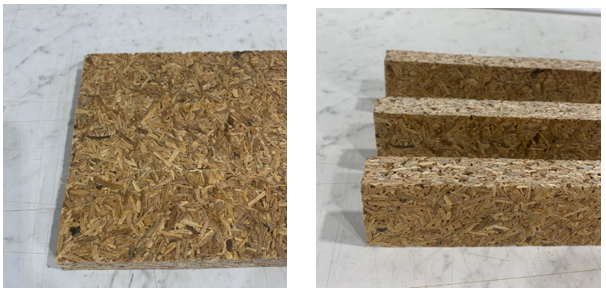
Figure 7 Particleboard
Combining bio-based chemistry and recycled wood
The real strength of the Greek Demonstrator lies in the integration of these two material streams.
Recovered agricultural by-products are transformed into functional ingredients for bio-based adhesives, while secondary wood residues are sorted and incorporated into engineered wood products. The resulting plywood and particleboards can then be used to manufacture new furniture.
CHIMAR is responsible for the production of both particleboards and plywood panels. In the plywood route, the bio-based resin developed using sunflower protein is used as an alternative to conventional formulations. In the particleboard route, sorted recycled wood chips are combined with fresh wood chips to produce panels with an increased share of secondary raw materials.
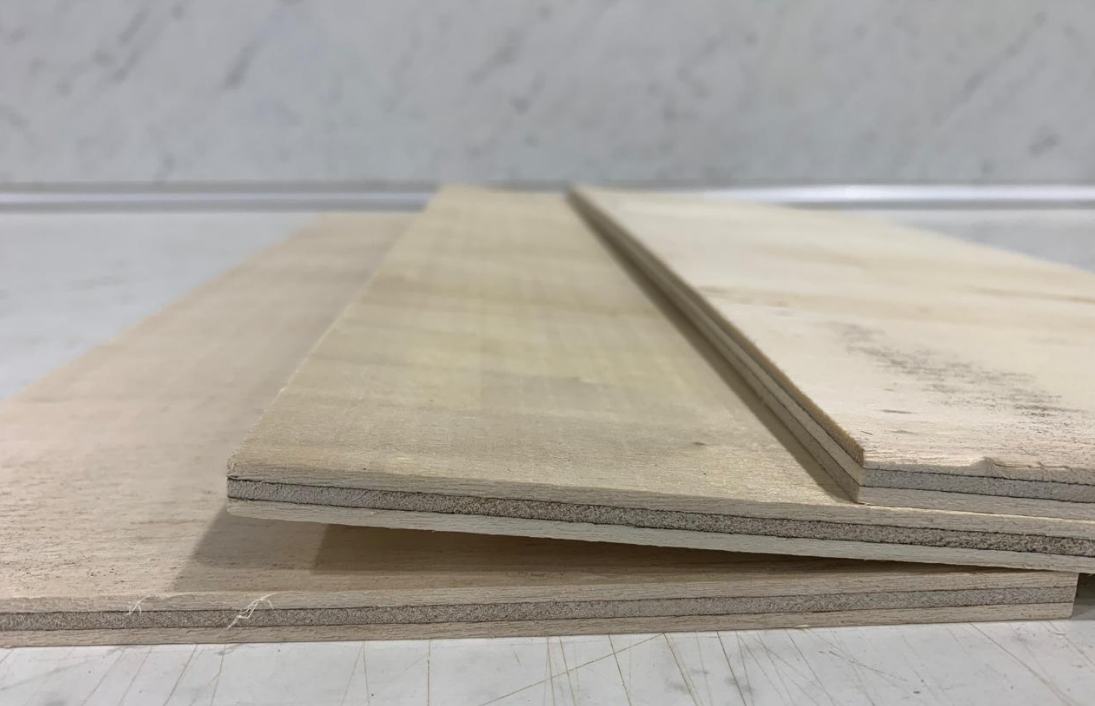
Figura 8 Plywood panels with bio-based resin (55% phenol substitution with sunflower protein)
The developed panels are ultimately intended to be used by MXS for the production of demonstration furniture, closing the loop between waste generation, material recovery, panel manufacturing and final product creation.
Digital technologies supporting circular manufacturing
The Greek Demonstrator also illustrates how digital technologies can support the transition towards more circular manufacturing.
ICCS‘s automated sorting system improves the separation and classification of heterogeneous wood residues, enabling more efficient use of secondary raw materials. CogniSensus helps connect sorting with wider circular value chains, exploring how resource recovery and tracing can fit into exisiting processing and operational needs for SMEs.
In parallel, VTT has developed smart tags for monitoring material and product conditions. Humidity sensing has proven feasible, with humidity levels as low as 22% RH detectable through the developed solution. VTT has also developed a formaldehyde sensing concept and a mobile phone application for reading the smart tags.
Although further development is required to improve the sensitivity of the formaldehyde sensor for wood products and regulatory-level monitoring, the work demonstrates the potential of smart sensing technologies to support quality control and traceability in circular material flows.
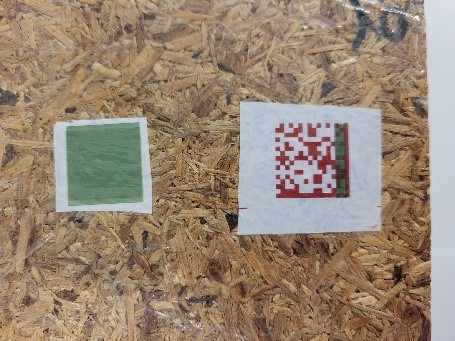
Figure 10 Formaldehyde sensing indicator and a smart tag by VTT attached on particle board samples by CHIMAR
Together with data management and AI-driven modelling, these technologies contribute to a more connected value chain in which information about secondary raw materials and manufactured products can support better decisions, improved process efficiency and greater traceability.
From recovered materials to demonstration furniture
The final stage of the Greek Demonstrator brings the different elements of the value chain together.
The plywood and particleboards produced by CHIMAR will be transferred to MXS, where they will be used to manufacture demonstration furniture, including an office cupboard. The final design will depend on the properties and characteristics of the recovered materials available for the demonstration.
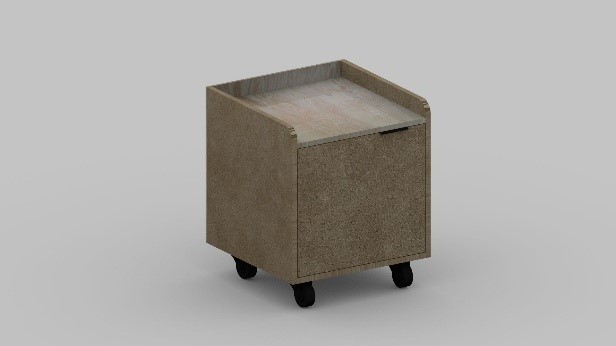
Figure 11 Office furniture – cupboard. Draft designs have been created. Final design will depend on the material received
This final step is particularly important because it demonstrates that the circular approach does not stop at material recovery or laboratory-scale panel production. The recovered resources are intended to become part of a real manufactured product, providing a tangible example of how circular materials can enter existing value chains.
Early results show the potential of the approach
The Greek Demonstrator has already achieved several important milestones.
The target for phenol substitution has been exceeded, with 55% substitution achieved against an initial target of 40%. The project has also demonstrated an 82% reduction in waste and a significant increase in the value of agricultural by-products, with the value of the recovered sunflower protein reaching €1.28 compared with its previous use as animal feed.
At the technology level, three distinct upcycling, reuse and upgrading solutions have been implemented:
- NTUA: extraction processes for the recovery of valuable proteins from agricultural by-products.
- CHIMAR: partial substitution of fossil-based phenol with recovered oilseed proteins in adhesives for plywood manufacturing.
- ICCS: automated sorting and separation of wood residues according to impurities and particle size.
These achievements demonstrate the potential of combining bio-based chemistry, secondary raw materials, automation and digital technologies to create more sustainable products.
Next steps
The work of the Greek Demonstrator is now moving towards the final demonstration stage.
NTUA will continue the production of sunflower protein isolate and the corresponding extraction residues required for the final demonstration. CHIMAR will manufacture the plywood panels using the best-performing bio-based resin and will produce particleboards using the selected fractions of sorted recycled wood chips.
At the same time, ICCS will continue optimising and validating the wood sorting system and prepare it for the final demonstration phase. CogniSensus will support this by offering the SME perspective on how resource traceability and circular material flows can be integrated into existing business operations. VTT will further fine-tune the humidity-sensing smart tags according to the final demonstration requirements.
The final objective is to bring these elements together in the production of demonstration furniture by MXS.
Demonstrating a more circular future for wood and chemicals
The Greek Demonstrator shows how circularity can be created by connecting different industrial value chains.
Agricultural by-products can become ingredients for bio-based adhesives. Wood residues can become secondary raw materials for new panels. Digital sorting can improve the quality of recovered materials, while smart sensing and data management can support monitoring and traceability. Finally, these materials can be transformed into new furniture products.
By integrating these technologies and processes, DigInTraCE is demonstrating a pathway towards more resource-efficient, digitally enabled and circular manufacturing, helping the chemicals and wood sectors move away from a linear model and towards higher-value use of secondary resources.