The DigInTraCE project is creating an online Life Cycle Assessment (LCA) tool that helps manufacturers evaluate and understand the environmental impact of their products in a simple and accessible way. Instead of using complicated spreadsheets or technical software, the tool guides users step by step: defining what they want to analyse, collecting the necessary information, calculating the environmental impacts and finally understanding the results. The tool follows internationally recognised LCA standards (ISO 14040/14044) and the Environmental Footprint 3.1 method recommended by the European Commission, ensuring methodological robustness and reliable outcomes.
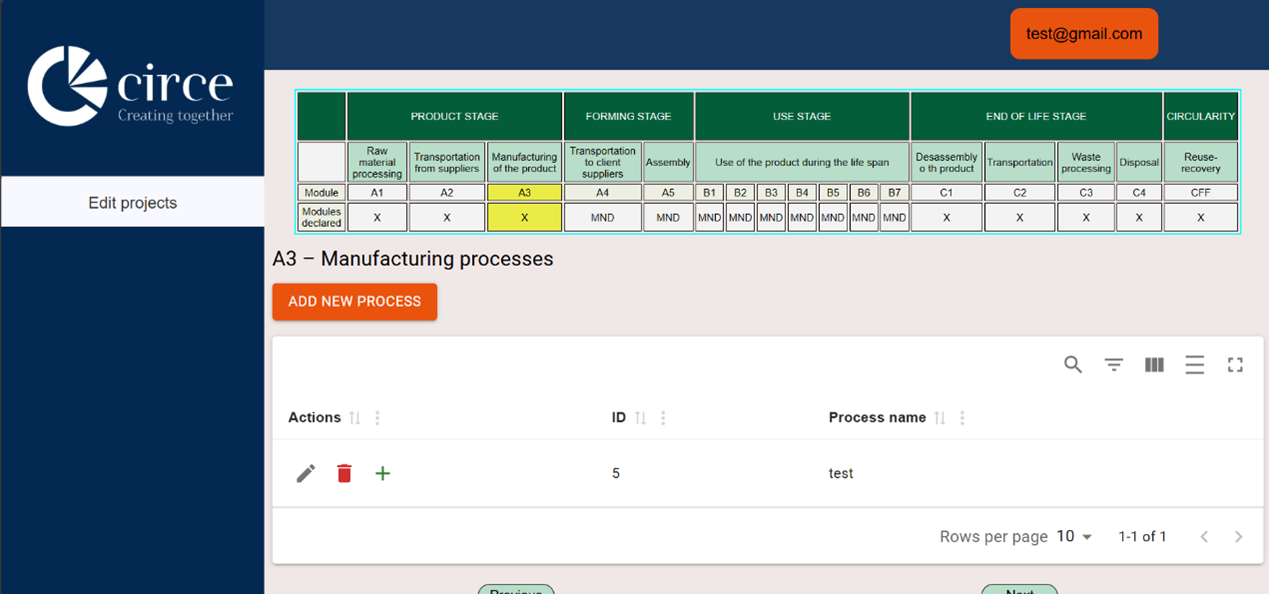
Figure 1. Overview of the LCA tool interface showing the modular life-cycle stage structure
One of the most useful features of the tool is its modular design. Users can recreate the different Life cycle stages that the product goes through (from raw materials to manufacturing, transport, use and end-of-life) by entering the Tool primary information they have related to the product and the manufacturing process such as materials needed, transport distances from suppliers, energy consumption or waste generated. This detailed modelling approach ensures that the resulting LCA reflects real operating conditions and helps identify environmental hotspots across the value chain, highlighting the stages that contribute most to the overall footprint.
The Tool automatically performs the calculations using trusted data sources and shows the results with clear visual summaries. Although some of the final visual elements are still being developed, the goal is to make the results easy to understand and to allow users to compare different options or scenarios.
Since companies often work with sensitive information, data security has been a central part of the development. The Tool includes user validation and other protection measures. It has also been built on a modern and secure technical architecture, which allows the results to be transferred directly to the Digital Product Passport (DPP) within the DigInTraCE platform.
The Tool is already being tested in several demonstrators of the Project. In the Belgian textile case study, for example, it is being used to analyse fabrics made from recycled PET and to see how different choices, such as the type of material or energy used, affect the environmental impact results.
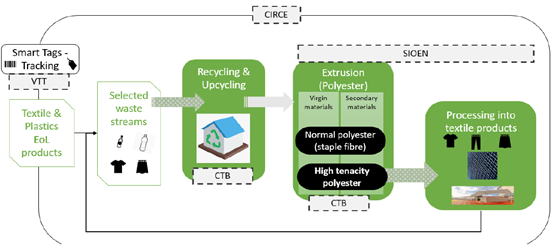
Figure 2. Process flow from the Belgian textile demonstrator.
It is also being used in the wood-based and plastics demonstrators, helping evaluate products such as bio-based adhesives, particleboards made from secondary wood and components made from recycled plastics. These tests show that the tool can adapt to different industries and production processes.
By digitalising LCA (Life Cycle Assessment) and connecting it with traceability systems, DigInTraCE offers a practical solution for companies that want to better understand and improve the environmental performance of their products. It helps compare materials, production methods or end-of-life options, supporting more informed and sustainable decisions. As expectations for environmental transparency continue to grow, the DigInTraCE tool provides a reliable way to deliver clear and useful information.
This blog post was created by David Martinez Hernandez (CIRCE), Eva Roldan Saso (CIRCE), Víctor Fernández Ocamica (CIRCE).